

What is a placebo? A Nocebo?
Have you ever felt itchy by just thinking about lice? Or have you ever felt better after simply talking to a doctor before even taking medicine? These are prime examples of the placebo effect.
A placebo effect is defined as an effect triggered by a person’s belief in the benefit from a treatment and their expectation of feeling better, rather than the characteristics of the treatment itself. In this way, a placebo (like a sugar pill or a saline injection) works through positive expectation leading to a positive outcome. The word has a Latin root, meaning “I will please” and the results of many studies demonstrate that phrase, showing that patients given a placebo often report significant symptom improvement.
In a similar manner, nocebo is the lesser-known side of the coin, derived from the latin “I will harm” and occurs when a negative expectation leads to negative of worsening effects.
In medicine and clinical trials in particular, placebos are important because they aren’t an active treatment meaning they can be used to determine if a new drug is effective. Studies often split patients into 2 groups:
- The control group given the placebo
- The treatment group given the new drug of interest
For a new drug to be approved, the treatment group has to show a significant improvement or difference compared to the placebo control group. However, studies have shown time and again that patients given a placebo often get symptom relief compared to a group given nothing. These beneficial effects we observe both with placebo and nocebo aren’t just “imaginary” feelings, they are measurable neurobiological responses.
So how does the brain trick the body?
Two main factors can explain the positive effect of a placebo: the reward system and the role of conditioning.
The reward system functions through the expectation to get better, triggering the brain to release chemicals like dopamine which is commonly associated with anticipation or reward and endorphins which are the body’s natural painkillers. On the other hand, conditioning occurs when our brains remember that if we’ve felt better after seeing a doctor in the past, our body starts the healing process as soon as we enter the waiting room the next time we visit. It is based on the memory of feeling better.
The stress response on the other hand, is the main driver of the nocebo effect. When anticipating a negative effect or experience, we become anxious which triggers cortisol secretion. Cortisol is a stress hormone which can cause short term effects like nausea through stopping the digestion and intensifying the perception of pain. In the longer term, high cortisol can lead to a weakened immune system, exhaustion and high blood pressure.
The nocebo effect can happen in a variety of ways. For some patients, reading a list of side effects can cause those side effects. This is called the warning label dilemma and is particularly important in informed consent. Doctors have an ethical duty to tell you side effects, but doing so might actually cause them.
In other cases, social contagion can happen, for example hearing a friend complain about a stomach flu can make us start feeling nauseous. This can be applied in a clinical setting where healthcare professionals have to be particularly aware about how they phrase bad news or potential risks.
Factors that influence the effect of placebos
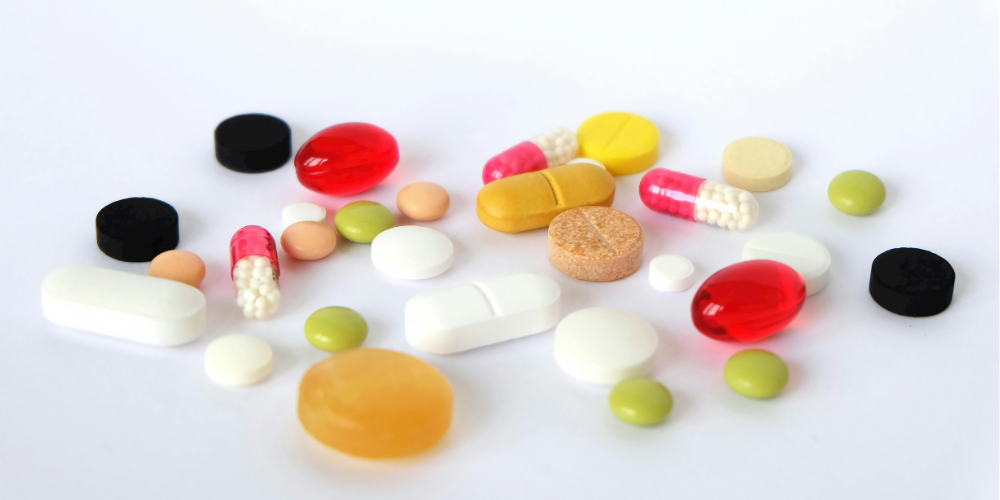
In clinical trials, the placebo effect is not just related to substituting a real medication for a cube of sugar. Brand, price and colour have been shown to affect outcome. For example, “expensive” and branded placebos work better than cheaper generic placebos. Patients also perceive effect based on colour, associating red pills as stimulants and blue pills like sedatives. Finally, placebo effect is not just related to the pill either, the environment is a major factor.
Scientists noticed an increased effect when patients are in a clinical setting which emphasises the ritual of care, with importance on the smell of the clinic, doctors in white coats and contact with nurses for example.
Ethical boundaries and real medicine
It is important to note that placebo effects cannot heal everything and a difference between symptom and disease must be drawn. Placebos can help with subjective symptoms like pain, nausea and fatigue but they are ineffective in treating the root cause of the symptoms like cancer or infections.
For example, in a recent asthma study, some patients taking a placebo for asthma reported improvements in their symptoms, feeling they could breathe better. However, their measures of lung function were not actually any better and their airways remained constricted. This highlights why placebos can be dangerous if misused. In real healthcare settings, it is illegal to prescribe a placebo as a drug, patients must be informed they are taking a placebo which are called “open-label placebos”.
Conclusion
Both placebos and nocebos have been shown to affect the patient outcome and symptoms, demonstrating that healing is a holistic process, involving a combination of effective chemistry and a supportive environment.
If you want to learn more about the ins and outs of clinical trials, read our previous article on the four phases of clinical trials here.