
Who is behind a clinical trial? Meet the people who make clinical research possible.

Discover the many professionals working behind every clinical trial and their roles. Learn about the people you will meet if you take part and the work that goes on behind the scenes.
New hope for breast cancer patients as life-extending drug now on NHS in England
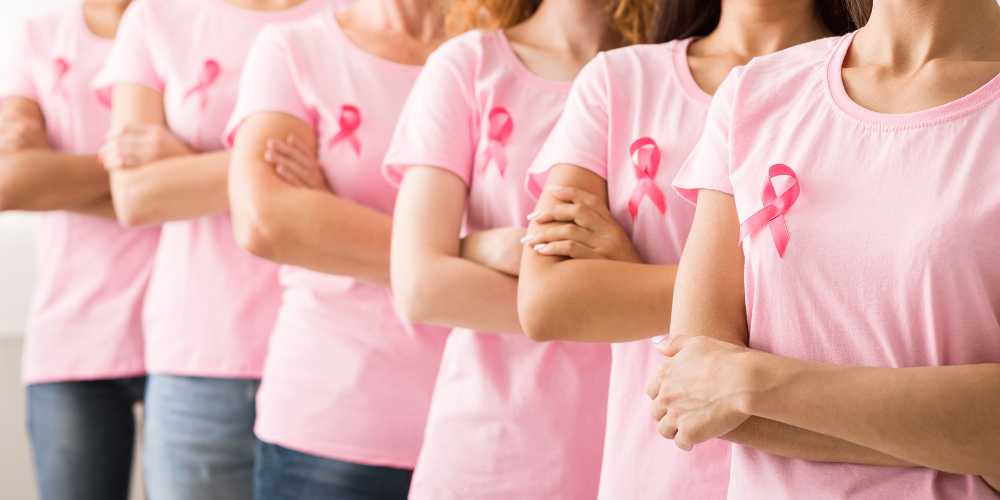
Following years of campaigning, patients in England with a specific type of incurable breast cancer can now access a life-extending drug on the NHS, two years after it was deemed too expensive by a health body.
Could a Common Diabetes Drug Help Slow Ageing?
Through the TAME study, researchers are investigating whether metformin, a common diabetes drug, could help delay age-related diseases and extend the number of years people live in good health.
Personalised Cancer Vaccine Shows Promise in Preventing Melanoma Returning

A personalised cancer vaccine has shown promising results in a Phase 3 clinical trial, helping to prevent melanoma from returning in patients at high risk of their cancer coming back.
British Research Panel Members Contribute to Progressing Type 1 Diabetes Research

Over 1,800 British Research Panel members signed up to the T1DRA study, a type 1 diabetes study led by the University of Bristol. The study aims to find how many adults in the UK are at increased risk of developing type 1 diabetes.
Phase 3 Results for Hepatitis B Treatment Show Functional Cure for 1 in 5 People
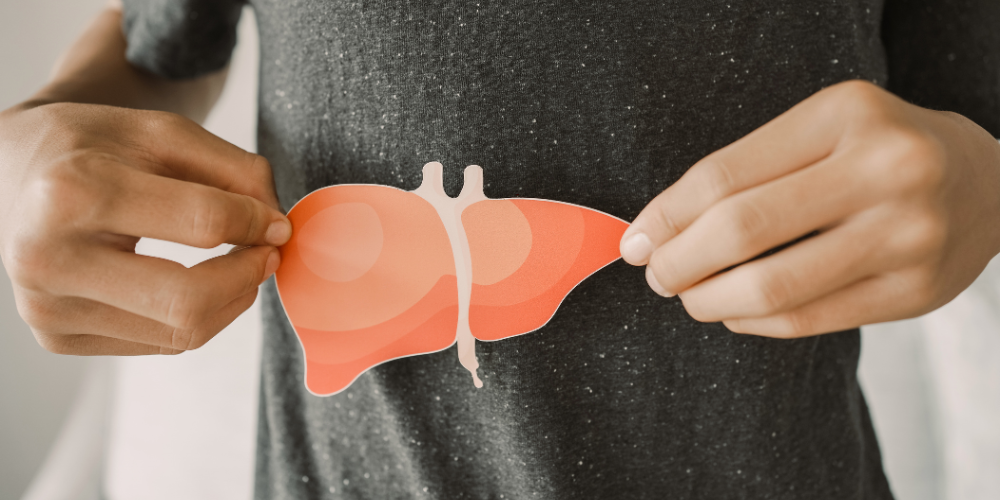
An experimental treatment for chronic hepatitis B has shown encouraging results in two large phase 3 clinical trials. The studies involved more than 1,800 adults across 29 countries with around one in five participants achieving a functional cure.
More Women in their 20s are Getting Type 2 Diabetes
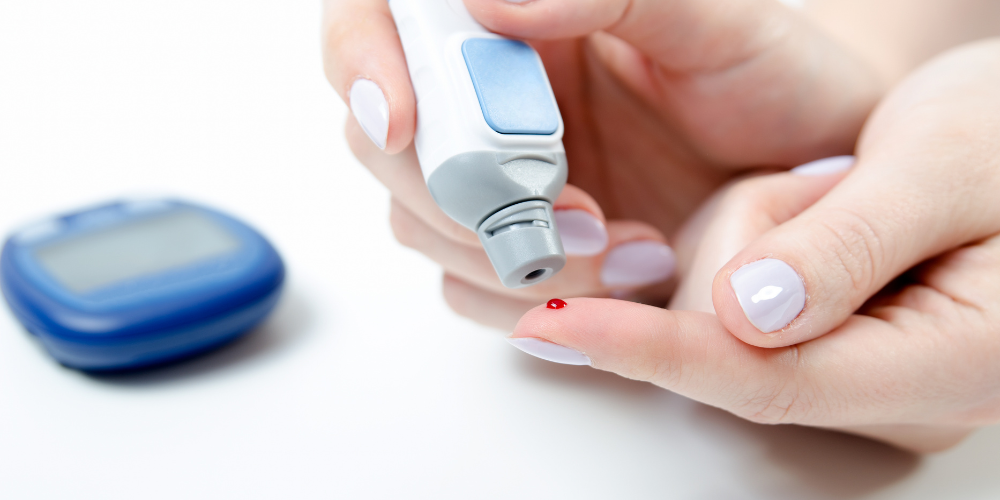
A new analysis of NHS data has found a concerning rise in type 2 diabetes among young adults in England. 12,000 people under 30 are now living with type 2 diabetes.
UK Begins Trials of Ebola Vaccine
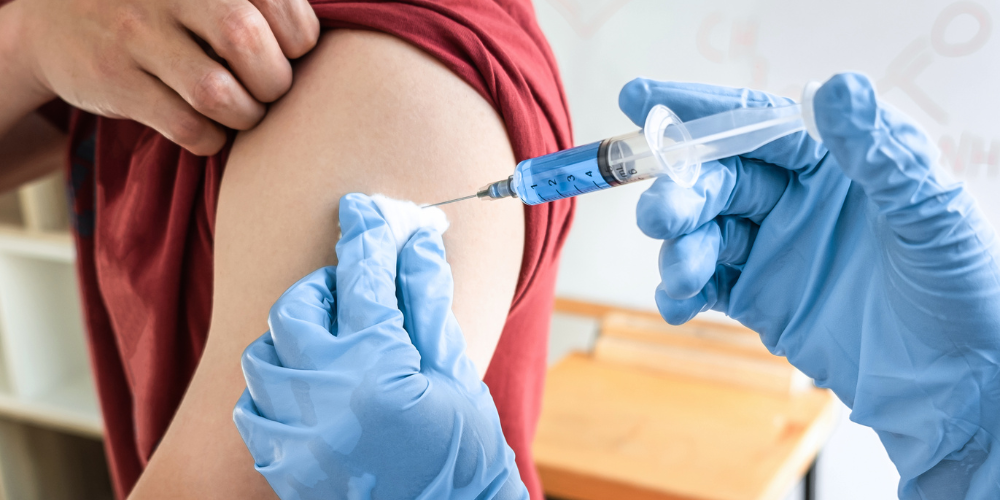
New Ebola vaccine has entered its first human clinical trial. Researchers hope the study will demonstrate the vaccine is safe and capable of generating an immune response.
Listening to All Voices: What Patient Advocate Carole Scrafton Wants Researchers to Know

Patient advocate Carole has been motivated to support research from a young age. She reminds us that research is strongest when more voices are actively included throughout the process.
Placebo and Nocebo Effects Explained
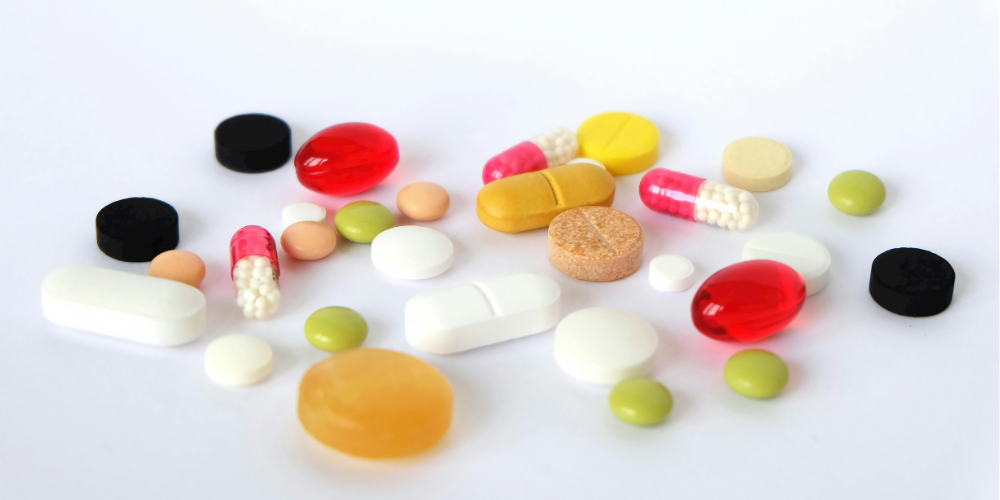
The placebo and nocebo effects prove that our expectations can physically change how we feel.This shows that healing is a combination of the right medicine as well as the mindset.