

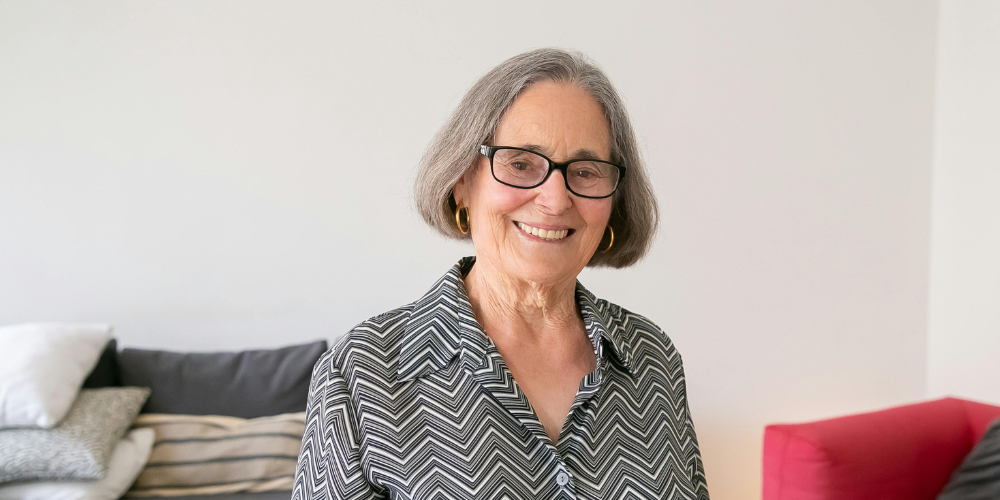
How clear communication, flexibility, and ongoing support helped Alison feel informed, reassured and confident taking part in her first clinical trial.
Alison was diagnosed with COPD in 2012 and is now participating in a clinical trial through the British Research Panel.
“So far, I’ve had 2 screening visits and a randomisation visit. I also recently had the first follow up since taking the medication,” explains Alison who has been participating in a clinical trial for the last couple of months.
With this being the first clinical trial she has taken part in, she wasn’t sure what to expect. With only positive experiences to share so far, Alison was able to provide valuable insight on what has genuinely shaped her positive trial participation experience and how to ensure patients feel like a valued part of the process.
Why Alison Chose to Take Part in Research
Motivated by the desire to contribute to the development of treatments and the hope for a better way to manage her condition, Alison expressed interest in the study through a British Research Panel questionnaire.
“The treatments for COPD are very limited and have been unchanged for a very long time. Anything that is going to improve my health or someone’s in future is worth getting out there and doing,” she shares.
Another important factor for Alison was that the study allowed her to continue with her usual treatment. Knowing she would not have to stop the medication she already relies on gave her reassurance and made the decision to take part feel more comfortable.

I think the most important thing for me is that this study didn’t require me to stop using my medication that I am already using.
Alison, British Research Panel member
Deciding to take part is only the first step. Like Alison and many others, feeling informed and supported throughout the process is what truly shapes their experience.
Feeling Informed, Supported and Reassured
It is essential for patients to feel guided and supported throughout the clinical trial process. At the British Research Panel our members are supported by dedicated nurses who work to build trusting relationships with patients and act as a reliable point of contact.
“I’ve felt very informed. I had about 3 or 4 phone calls with Akomeno and he’s also followed up with me. The research team also sent the information leaflets to me before I even went to the hospital, so if I had any questions, I knew what I was going to ask before I got there,” explains Alison.
Having someone she can contact and share insight with has helped Alison to feel more confident. Additionally, research teams being receptive to her feedback and treating her as a partner, has also been valuable for her.
“Part of the study required me to use factor 50 suncream. The one they provided was aerosol and gave off fumes which was a trigger for me. It was also alcohol based and anyone on oxygen can’t use anything alcohol based. I gave them this feedback, and they were absolutely in agreement saying they’ll get creams in future. They thanked me for the feedback,” shares Alison.
Beyond clear communication, Alison’s experience also demonstrates the impact of feeling listened to and knowing that her voice matters.
Flexibility Around Daily Life
Recognising that participation requires commitments, Alison’s experiences are an example of how being accommodated for makes participation feel easier and stress free.
“They worked really carefully and conscientiously with sorting dates. They knew I was going to go away, so they did the randomisation on New Year’s Eve. Even one week, they started a session early to accommodate for me and my commitments,” she explains.
They are working around me, rather than me having to work around them
Alison, British Research Panel member
In addition to accommodating to her time demands, the study team also offered to arrange a taxi for her to simplify the 25-mile journey.
“It’s definitely made everything easier for me and I’ve felt listened to,” she states.
Ongoing support and being accommodated for has been essential in making participation easier for Alison and improving her journey, however the participation experience does not end when the final visit is complete.
The Importance of Results and What Comes Next
Previous research conducted with over 1,200 members across James Lind Care’s European communities highlighted that 98% of clinical trial volunteers would like to receive feedback after participating, yet 68% of participants receive no feedback at all. Study findings
Patients who dedicate their time and energy to participate in a study deserve to receive feedback. Not only does this contribute to patients feeling valued, but it also improves motivation to participate in future studies.
Despite Alison not receiving any information about what will happen after the trial, she shared her eagerness to receive feedback and why it is important to her.
“I would absolutely be keen to hear the outcome and results of the trial. For me, the differences since taking the treatment have been significant,” she shares.
I would want to know if the trial has been successful and if the medication will be out there in future, so I can say to my GP that I want it as it’s currently working
Alison, British Research Panel member
Alison’s reflections highlight how important it is for participants to feel informed not only during a study, but also about what happens once it ends so they can see the outcome of their contributions and how it could impact their future.
Why Patients’ Experiences Matter
Alison’s experiences highlight how clear communication, flexibility, and feeling listened to are making a real difference to her experience.
By sharing patient perspectives, we hope to help future participants feel more informed, reassured, and confident about taking part in research.
“Hearing directly from participants like Alison helps us to better understand what makes research participation feel manageable, and supportive for patients. Her experience highlights how clear communication, flexibility, and feeling listened to can make a meaningful difference throughout the participation journey”, says Rasmus, Patient Engagement Director.
If you are interested in taking part in research, take a look at our current studies: Clinical trials – British Research Panel
Written by
Eloise Healey